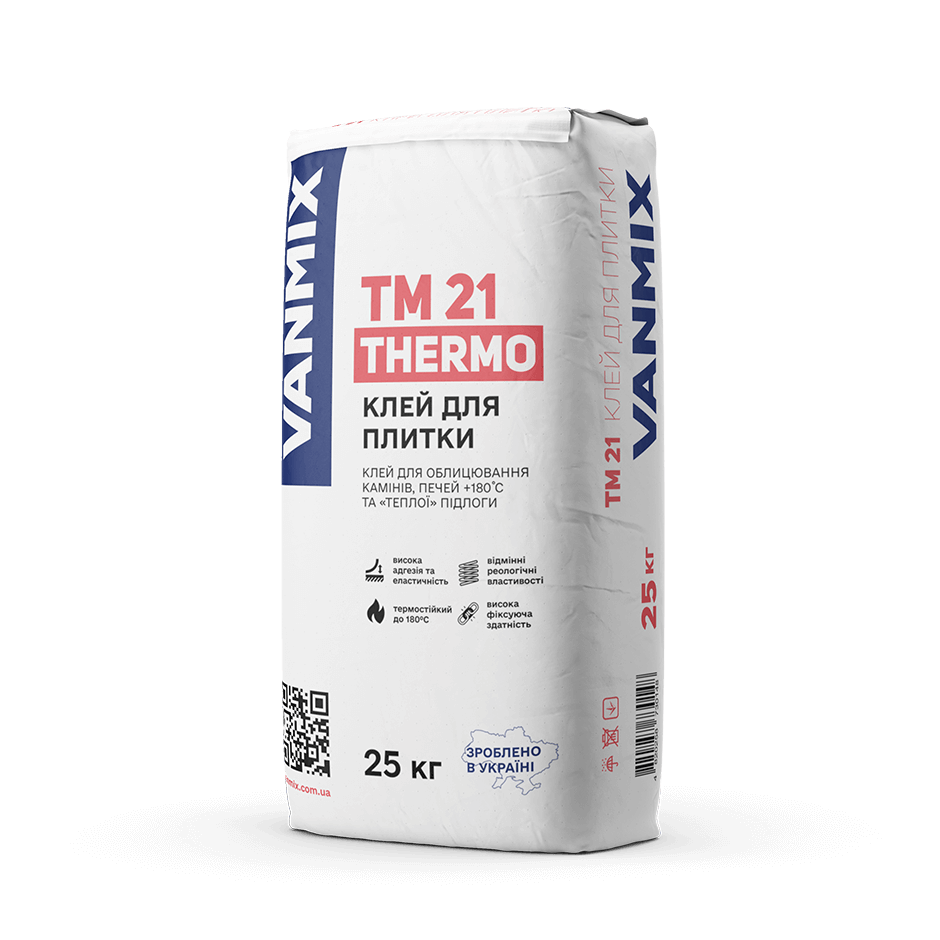
Adhesive mixture for facing fireplaces, stoves and "warm" floors — TM 21 THERMO
External and internal
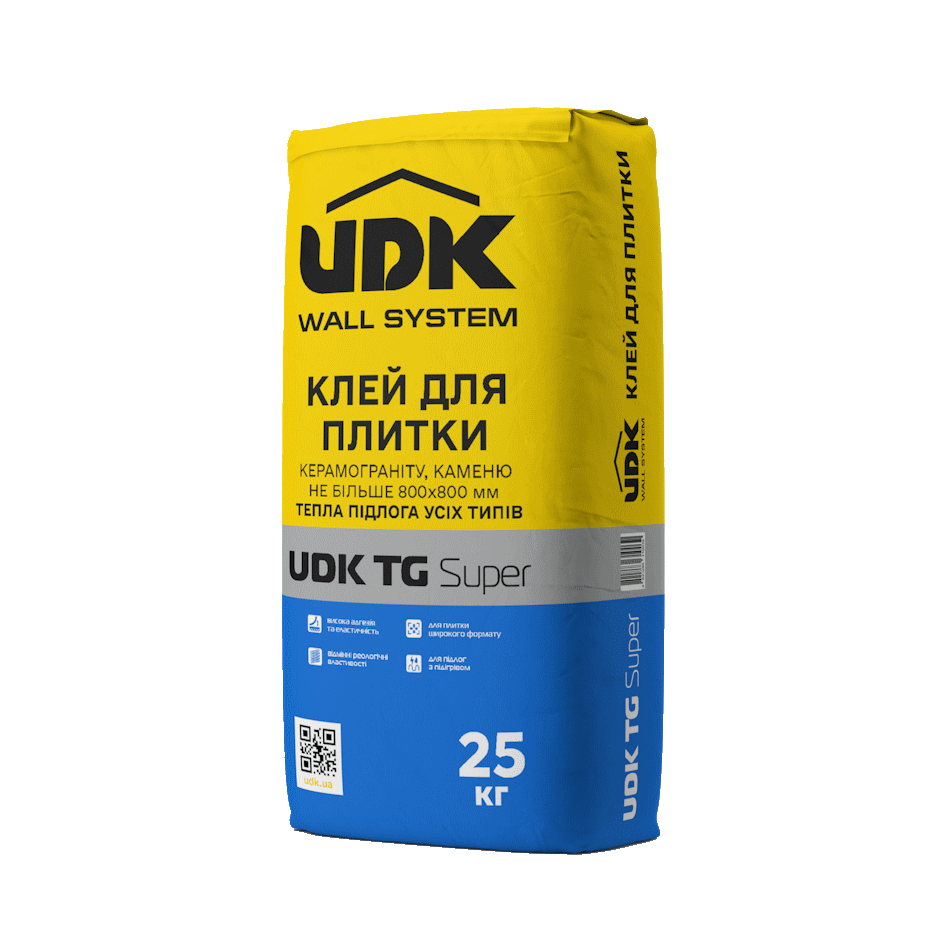
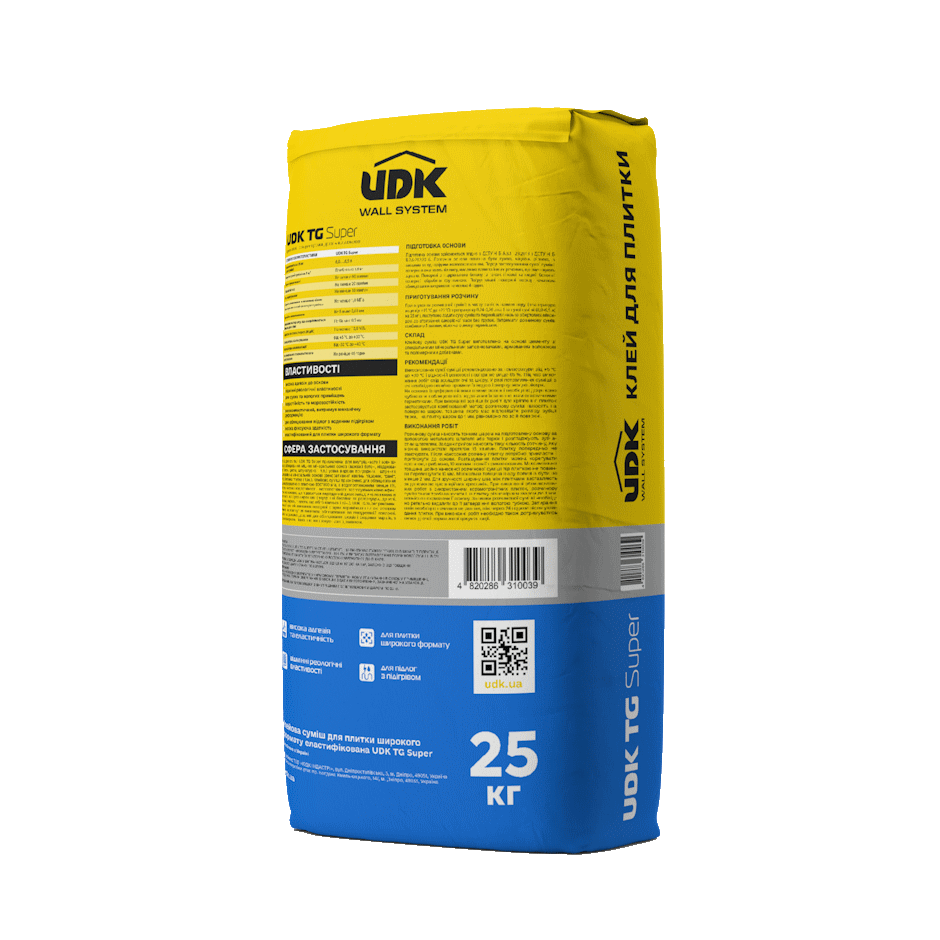
Field of application:
For internal and external cladding of strong mineral bases (heavy concrete, porous concrete, brick, plaster, etc.) with all types of natural and artificial materials on a mineral basis (decorative stone, sandstone, granite, glass, concrete tiles, etc. ), for facing with large-format tiles 800x800 mm, with water absorption less than 1%. Recommended for covering floors with electric and water heating, thanks to its high water resistance and frost resistance, the glue can be used effectively on bases subject to periodic deformation due to moisture and expansion (indoor pools and tanks, showers, balconies, terraces, heated floors etc.), for cladding the surface of old ceramic tiles by the "tile on tile" method, with the exception of cladding on a glazed surface.
Features:
Advantages:


from 20 min


| Storage |
Cement, mineral fillers, |
|
Water consumption for 25 kg |
6.0....6.5 |
|
Consumption of dry mixture per 1 m² |
Approximately 1.8 kg |
| Expiry date, min | At least 60 |
| Open time, min | At least 20 |
| Adjustment time, min | At least 10 |
|
Adhesion strength to the base after: |
Not less than 1.0 |
| Coarseness of aggregate, mm | Not more than 0.63 |
|
Displacement of the material to be fixed |
Not more than 0.5 |
| Compressive strength (after 28 days), Mpa: | Not less than 10.0 |
| Application temperature | From +5 ⁰С to +30 ⁰С |
| Operating temperature | From -30 ⁰С to +40 ⁰С |
|
The time of possible technological |
Not before 48 |
The foundation is prepared in accordance with DSTU-NB A.3.1- 23:2013 and DSTU-NB V.2.6-212:2016. The surface of the base must be dry, strong, even, with low and uniform water absorption. Before applying the dry mixture, the surface is cleaned of dust, oil stains and other substances that reduce adhesion. Surfaces made of porous concrete, as well as gypsum and smooth concrete surfaces should be treated with a primer. Leave primed surfaces for at least 4 hours before starting cladding.
Preparation of mortar mixture: pour water into a clean container (water temperature from +15 °C to +25 °C) at the rate of 0.24-0.26 l (l) per 1 kg (kg) of dry mixture (6.0-6 .5 l (l) per 25 kg (kg)), gradually add the dry mixture and mix with a low-speed mixer until a homogeneous mass without lumps is obtained. After 5 minutes mix again.
The use of dry mixture is recommended at temperatures from +5 °C to +30 °C and relative air humidity not higher than 65%. Eyes and skin should be protected during work. If the mixture gets into the eyes, it is necessary to immediately wash them with water and consult a doctor.
On bases with deformation seams, the latter must be additionally duplicated in the facing, followed by their filling with elastic sealants. When performing exterior work, a combined method is used for fixing tiles: the mortar mixture is applied to the surface in a layer, the thickness of which should correspond to the size of the grater tooth, and to the tile in a layer of up to 1 mm, evenly over the entire surface.
The mortar mixture is applied in a thin layer to the prepared base using a metal spatula or grater and smoothed with a toothed spatula. At one time, such amount of solution is applied that can be used within 15 minutes. Do not pre-soak the tile. After applying the solution, the tile should be applied and pressed to the base. The location of the tile can be adjusted within approximately 10 minutes after gluing it. The maximum thickness of the freshly applied mortar mixture under the tile should not exceed 10 mm. The minimum thickness of the layer should be at least 2 mm. For convenience, the width of the seam between the tiles is set using distance crosses. When performing facing work using ceramic granite tiles, the mortar mixture must also be applied to the tile in a uniform layer of up to 1 mm, completely covering its base. Remains of the solution mixture must be carefully removed before it hardens with a damp sponge. Grout of joints must be started no earlier than 24 hours after laying the tiles. When performing work, it is also necessary to comply with the requirements of the current regulatory documentation.
Paper bags with an inner polyethylene layer of 25 kg.
The mixture must be stored in a branded sealed package in a dry room, on pallets. The shelf life is 12 months from the date of manufacture indicated on the package.
On average, 1.8 kg of glue is used per 1 m2, depending on the thickness of the applied layer and the condition of the surface.