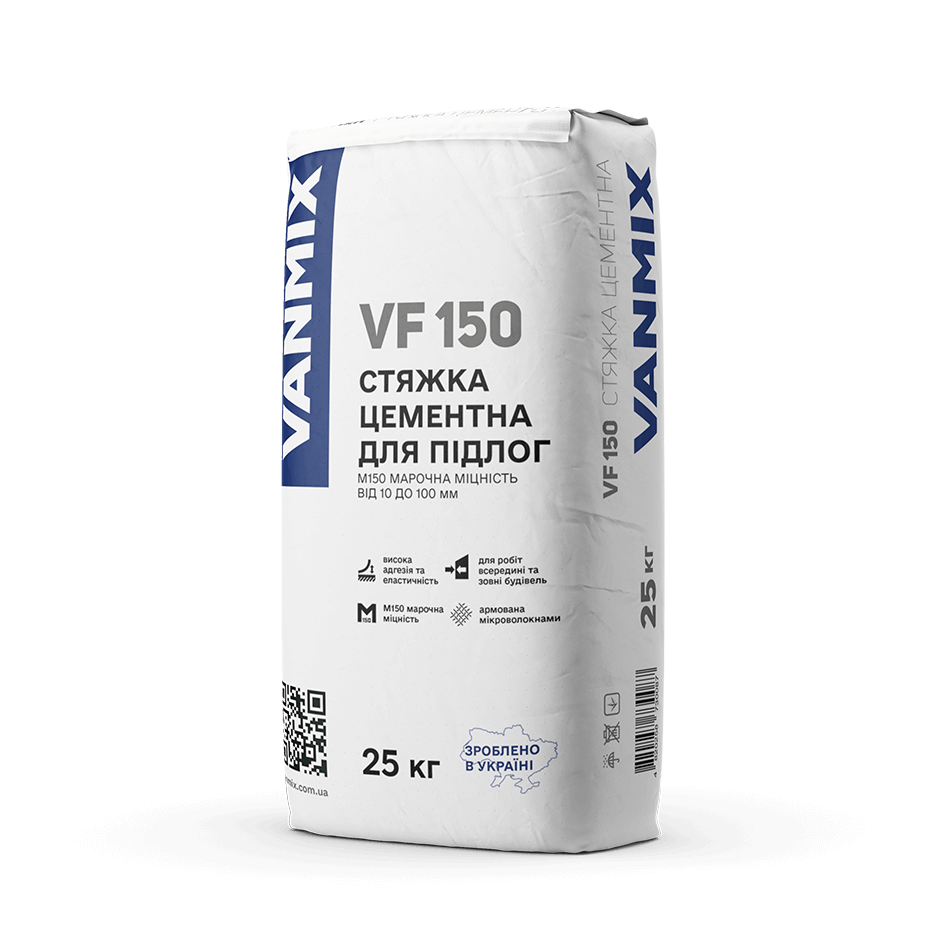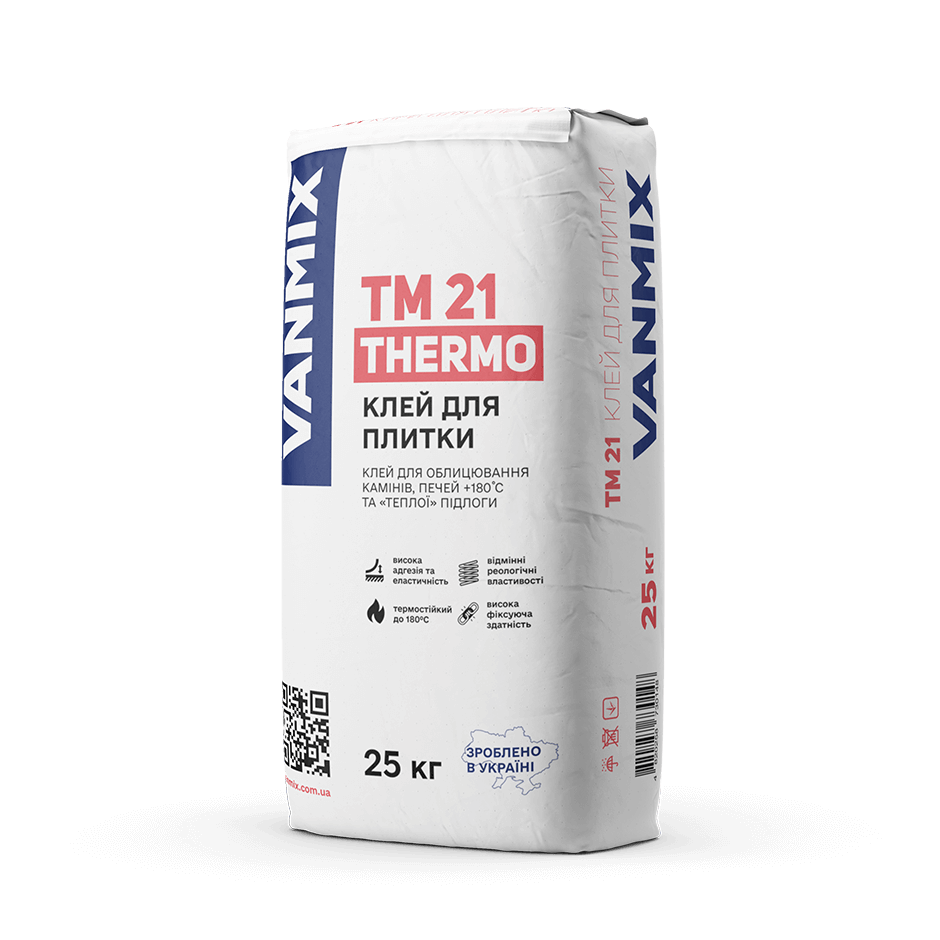
Adhesive mixture for facing fireplaces, stoves and "warm" floors — TM 21 THERMO
External and internal
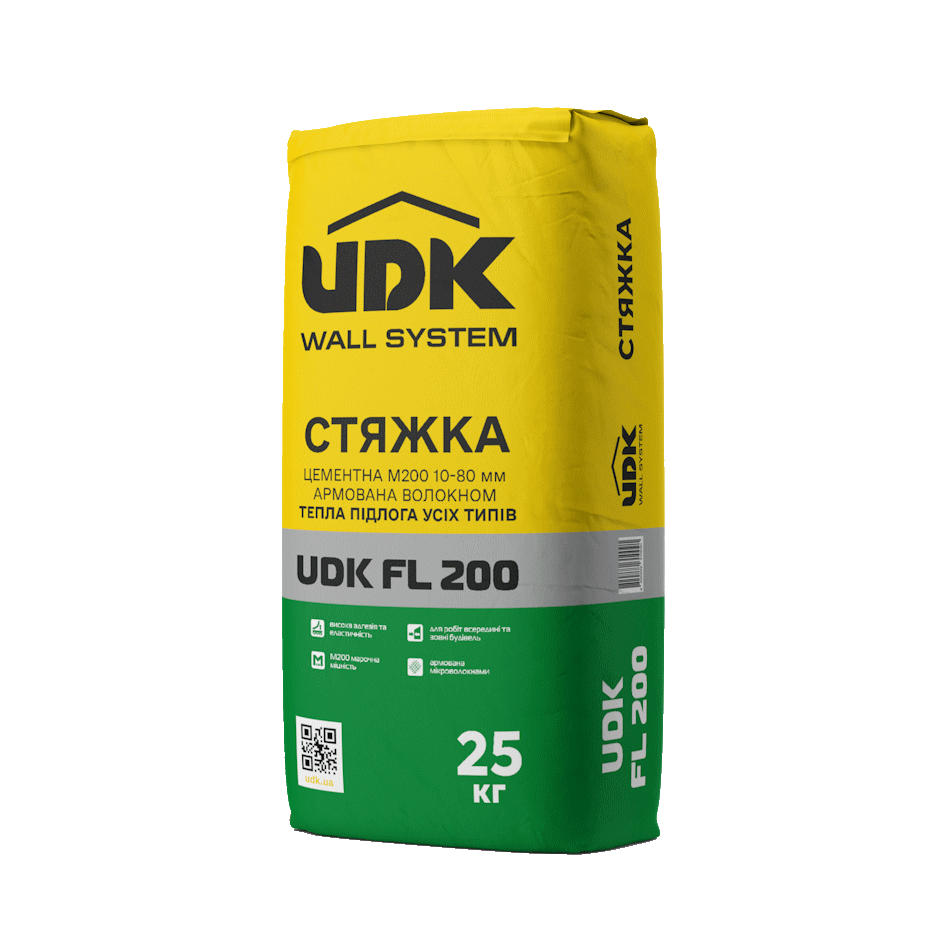
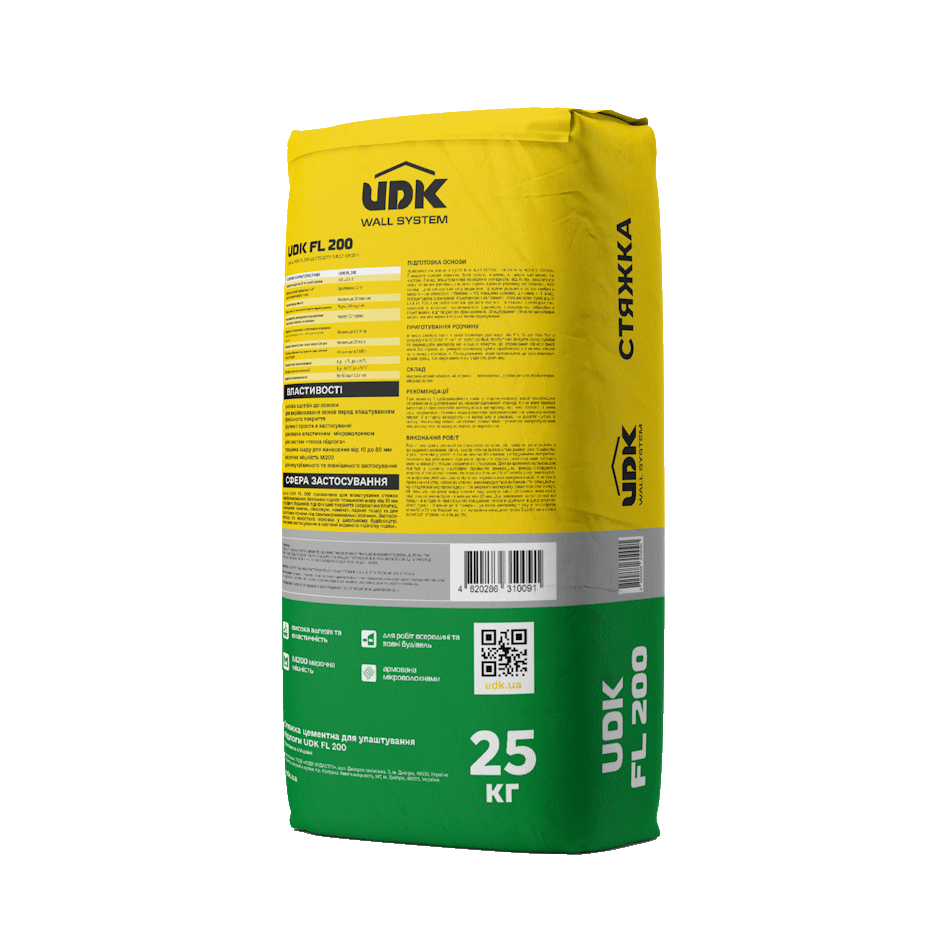
Field of application:
For laying screeds of non-deformed concrete floors with a layer thickness of 10 mm or more inside buildings for finishing coatings (ceramic tiles, natural stone, linoleum, laminate, parquet, etc.) and for preparing the base for self-leveling mortars. It is used on rigid bases in civil construction, in the water heating system of floors.
Features:
Advantages:


| Storage |
High-quality cement, mineral fillers, additives-modifiers, microfiber |
|
Water consumption per 25 kg of dry mixture |
3.5....4.3 l |
|
Consumption of dry mixture per 1m² with a layer thickness of 1 mm (mm) |
Approximately 2.2 kg |
| Expiry date, min | At least 20 |
| The possibility of technological movement | In 24 hours |
|
The possibility of laying ceramic and stone tiles, not earlier |
After 72 hours |
|
Adhesion strength to the concrete base after endurance in air-dry conditions, MPa |
Not less than 0.5 |
|
Compressive strength limit after 28 days, MPa |
At least 20 |
|
Tensile strength limit when bending through 28 days, MPa |
At least 4.5 |
| Coarseness of aggregate, mm | Not more than 1.25 |
| Application temperature | From +5 ⁰С to +30 ⁰С |
It is carried out in accordance with DSTU-NB A.3.1-23:2013 and DSTU-NB B.2.6-212:2016. The surface of the base must be dry, strong, as well as dense and clean. Before installation, the surface is cleaned of dust, oil stains and other substances that reduce the adhesion of the solution to the base. All weak areas of the base should be removed. Open and deepen the cracks mechanically (depth - 1/2 the thickness of the base, width - 5 mm), prime with an acrylic primer and fill with mortar mixture VF 250. To ensure better adhesion of the screed to the surface, surfaces with a high absorption capacity should be pre-treated with primers, in accordance with appointment. Installation of screed is possible no earlier than 4 hours after priming.
Pour water into a clean container (water temperature from +15 °C to +25 °C) at the rate of 0.14-0.17 l per 1 kg of dry mixture, gradually add the dry mixture and mix with a mixer at low speeds until a homogeneous mass is obtained without lump Keep the solution mixture for about 5 minutes, then mix again. An overdose of water leads to delamination of the mixture and reduces the mechanical strength of the solution.
If there are deformation seams in the bedding layer, it is necessary to duplicate them on a freshly installed screed. In addition to the detailed information on how to use the material, when working with it, you should be guided by the current regulatory documents for arranging floors. In the case of using the material in conditions not considered in this technical description, it is necessary to independently conduct tests or consult the manufacturer. VF 250 screed contains cement, which causes an alkaline reaction at the moment of hydration, so it is necessary to protect eyes and skin when working. If the solution mixture gets into the eyes, they should be immediately washed with running water and consult a doctor.
Put the mortar mixture on the surface of the base, distribute it evenly to the level specified by the beacons, level it with a slat or rule. If necessary, rub. During the execution of "floating" floor screeds, for example, on a soil base or in the event of a break in work for more than 60 minutes, the tools must be cleaned of the mortar mixture and rinsed with water. Hardened solution can be removed only mechanically. It is recommended to install a special separation pad made of polymer material (styrofoam) in places where the walls and columns adjoin the screed. The minimum thickness of the screed layer above the elements of the water heating system should be at least 25-35 mm. To reduce the risk of cracks appearing in places with a minimum thickness, it is recommended to lay a metal mesh with a mesh size of 50 x 50 mm in the layer of mortar mixture, closer to its surface. Ceramic tiles can be laid after 3 days, provided the moisture content of the screed is no more than 4%. Moisten the surface of the screed periodically during the first 48 hours after laying. During laying and hardening of the floor screed, especially during the first two days after laying, avoid exposure to direct sunlight, atmospheric precipitation, strong wind and drafts - take measures to eliminate them, as well as ensure proper ventilation of room.
Paper bags with an inner polyethylene layer of 25 kg.
The mixture must be stored in the company's airtight packaging in a dry room, on pallets. The shelf life is 12 months from the date of manufacture indicated on the package.
On average, 2.0-2.2 kg of screed is used per 1 m2, with a layer thickness of 1 mm.